
Wisdom Tooth Removal in Punawale for Painful or Impacted Wisdom Teeth
Wisdom tooth removal is the extraction of a third molar at the back of the mouth. It may be advised when the tooth is impacted, infected or damaging the tooth next to it. Care 32 Dental Clinic provides wisdom tooth assessment in Punawale, starting with an examination and X-ray to understand the tooth's position.
Wisdom teeth usually appear between 17 and 25. Some come in without problems, while others get stuck under the gum or grow at an angle, causing jaw pain, swollen gums, a bad taste or difficulty opening the mouth. Dr. Ranjeeta Yadav (BDS) will explain whether your tooth needs removal or can be safely monitored.
Open Monday to Sunday · Morning and evening appointments
What Is an Impacted Wisdom Tooth?
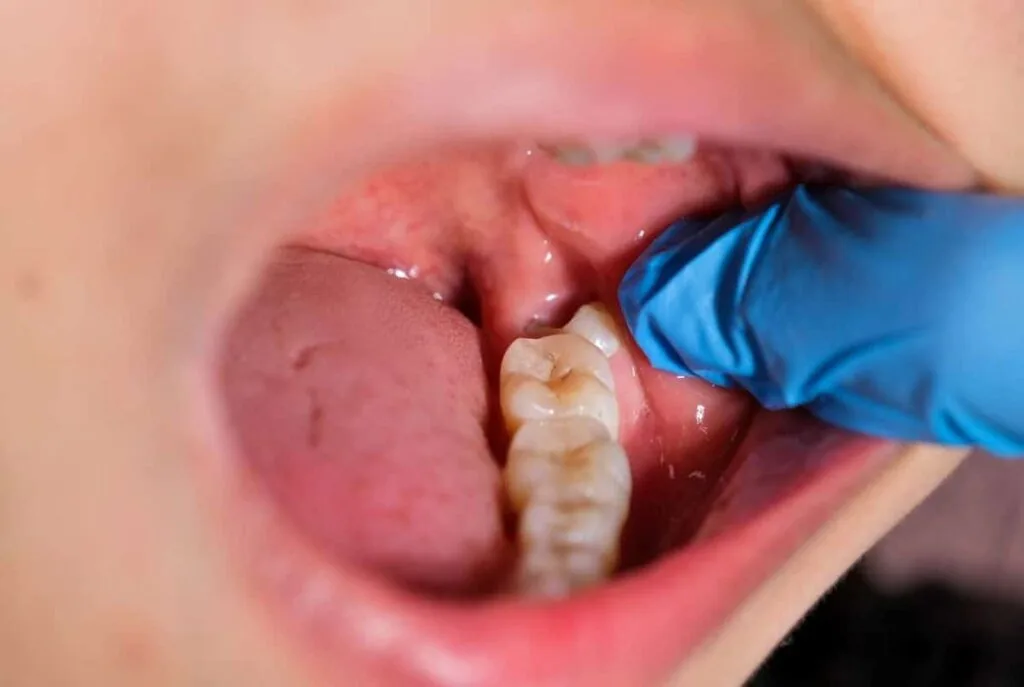
Wisdom teeth, also called third molars or akkal daad, are the last teeth to arrive, usually one in each corner at the back of the mouth. Because they erupt last, there may not be enough room for them to come in straight. An impacted wisdom tooth cannot erupt fully because it is blocked by the neighbouring tooth, bone or gum.
An impacted tooth may tilt forward, lie on its side against the next molar or remain buried in the jawbone. A partly erupted tooth can trap food and bacteria under the gum flap, increasing the risk of inflammation and infection.
Signs You May Need Wisdom Tooth Removal in Punawale
Wisdom tooth problems can start as mild discomfort at the back of the mouth and become more troublesome if inflammation or infection develops. Arrange a dental examination if you notice any of the following symptoms.
- Recurring pain or throbbing at the back of the jaw
- Red, swollen or tender gum over a wisdom tooth
- Difficulty opening your mouth fully
- A bad taste or persistent bad breath
- Food repeatedly getting trapped behind the last molar
- Pain spreading towards the ear, throat or side of the head
- Swelling of the cheek or jaw on one side
- Decay in the wisdom tooth or the molar next to it
Pericoronitis is inflammation or infection of the gum flap over a partly erupted wisdom tooth. The dentist may clean the area and recommend suitable treatment. If episodes keep returning, removal may be advised. Some impacted teeth have no symptoms and are found during an examination or X-ray.
Does Every Wisdom Tooth Need to Be Removed?
No. A healthy wisdom tooth that has erupted fully, meets the opposing tooth properly and can be cleaned well may be left in place. The decision between wisdom tooth removal and monitoring depends on the examination, symptoms and X-ray findings.
When Removal May Be Recommended
- Repeated episodes of gum inflammation or infection
- Decay in the wisdom tooth that cannot be restored
- Decay or damage to the neighbouring molar
- Damage to the roots of the tooth in front
- A cyst or other concerning change around the tooth
- Gum disease affecting the wisdom tooth or nearby molar
- An over-erupted tooth causing trauma to the opposing gum
When Monitoring May Be Enough
- The tooth is fully erupted, healthy and functional
- You can brush and floss around it effectively
- It meets the opposite tooth and helps you chew
- A fully buried tooth has no symptoms or signs of damage
- Clinical examination and imaging show no current problem
Why Is an X-Ray Needed Before Wisdom Tooth Removal?
An X-ray helps the dentist see the tooth's angle, root shape, surrounding bone and relationship to nearby structures. For lower wisdom teeth, particular attention is given to the nerve that supplies feeling to the lower lip and chin. For upper wisdom teeth, the relationship to the sinus may also matter.
A panoramic X-ray (OPG) is commonly used. If the roots appear very close to a nerve or more detailed information is needed, a three-dimensional scan (CBCT) may be recommended. Additional scans are not required for every patient.
Simple Wisdom Tooth Removal
If the tooth has erupted fully and is accessible, the dentist numbs the area, loosens the tooth and removes it with dental instruments. The procedure may take around 20–40 minutes, depending on the tooth and its roots.
Surgical Wisdom Tooth Removal
An impacted or partly erupted tooth may need a small opening in the gum. A little bone may need to be removed, and the tooth may be divided into sections to allow careful removal. Stitches may be placed when necessary.
When Specialist Referral May Be Needed
Deeply impacted teeth, complex root positions or roots very close to a nerve may require assessment by an oral and maxillofacial surgeon. Your dentist can explain whether a referral is advisable based on the examination and imaging.
What About Upper Wisdom Teeth?
Upper wisdom teeth may be simpler to remove in some cases, but their root shape and proximity to the sinus still need to be assessed. The appropriate approach depends on the individual tooth rather than its position alone.
How Is Wisdom Tooth Removal Done at Care 32?
Wisdom tooth removal starts with an examination and a discussion of your options. The exact procedure depends on the position of the tooth and whether simple or surgical removal is needed.
Examination and X-Ray
Your dentist checks the wisdom tooth, gums, bite and jaw opening, reviews your medical history and assesses the X-ray to understand the tooth's angle, roots and nearby structures.
Treatment Plan and Consent
You are informed whether removal is recommended, whether it is likely to be simple or surgical, the relevant risks and the estimated cost before treatment begins.
Local Anaesthesia
The area is numbed before the procedure. You may feel pressure or movement, but sharp pain should not be expected. Tell the dentist if you feel pain so it can be assessed.
Careful Tooth Removal
The tooth is loosened and removed. If it is impacted, the dentist may need to open the gum or divide the tooth into smaller sections.
Socket Cleaning and Stitches
The socket is checked and cleaned as needed. Stitches may be placed if a gum incision was made, depending on the procedure.
Gauze and Aftercare Instructions
You bite on gauze as directed and receive instructions about food, cleaning, medicines, activity and protecting the blood clot while the socket heals.
Does Wisdom Tooth Removal Hurt?
During wisdom tooth removal in Punawale at Care 32, local anaesthesia is used to numb the area. You may feel pressure or pushing, but you should not feel sharp pain. Tell your dentist if you feel discomfort so it can be assessed and additional anaesthesia can be provided when appropriate.
Once the numbness wears off, soreness, swelling and jaw stiffness may develop. These symptoms are often most noticeable during the first two to three days and should gradually improve. Surgical removal may cause more swelling and require a longer recovery than a simple extraction.
What You May Experience
- Soreness around the extraction site
- Swelling of the cheek or gum
- Temporary stiffness when opening the mouth
- Difficulty chewing normally for a few days
- Minor bleeding or oozing in the early hours
What Can Help
- Take pain relief only as advised by your dentist
- Use an ice pack on the cheek in short intervals initially
- Rest and avoid strenuous exercise as directed
- Choose soft foods and drink enough fluids
- Follow instructions for cleaning and prescribed medicines
Wisdom Tooth Removal Aftercare
Aftercare helps protect the blood clot in the extraction socket. Disturbing the clot can delay healing and increase the risk of dry socket, which can cause significant pain.
During the First 24 Hours
- Bite firmly on gauze for the time advised by your dentist.
- Use an ice pack on the cheek for short intervals if appropriate.
- Do not rinse forcefully, spit repeatedly or use a straw.
- Avoid smoking, tobacco and alcohol.
- Eat soft, cool or lukewarm food once numbness has worn off.
- Rest and keep your head slightly raised when lying down.
During Days 2–7
- Rinse gently with warm salt water after the first 24 hours.
- Brush your other teeth normally and clean near the socket carefully.
- Chew away from the extraction site while it is tender.
- Take prescribed medicines according to instructions.
- Gently move your jaw as comfort allows.
- Attend follow-up or stitch removal if recommended.
Many people return to normal routines within a week, although recovery depends on the complexity of removal and individual health. Gum healing generally progresses over several weeks, while bone healing continues for months. Smoking and poorly controlled diabetes may delay healing.
Dry Socket and Other Possible Risks
Wisdom tooth removal is a common procedure, but like any surgery it has possible risks. Your dentist should explain the risks that apply to your tooth and X-ray findings before you agree to treatment.
Dry Socket
Dry socket occurs when the blood clot is lost too early and the underlying area becomes exposed. It is more common after some lower wisdom tooth extractions and in people who smoke.
Symptoms may include pain that worsens two to four days after removal, pain spreading towards the ear, an unpleasant taste or smell, or an empty-looking socket. A dentist can assess the area, clean it when appropriate and place a dressing to help relieve symptoms.
Infection or Bleeding
Some bleeding and swelling are expected initially. Persistent bleeding, fever, pus or worsening swelling needs dental review. Treatment depends on the cause and severity.
Jaw Stiffness
Temporary difficulty opening the mouth can occur, particularly after surgical removal. It should gradually improve.
Numbness
Numbness affecting the lip, chin or tongue is uncommon and may be temporary. X-ray findings help the dentist assess the risk before removal, particularly for lower wisdom teeth.
Sinus Opening
Occasionally, removal of an upper wisdom tooth may create a connection with the sinus. The dentist assesses the position of the roots and explains relevant risks beforehand.
What Affects the Cost of Wisdom Tooth Removal in Punawale?
The cost of wisdom tooth removal depends on the tooth's position and the complexity of the procedure. An examination and appropriate imaging help the dentist explain the treatment and likely fees.
Factors That Affect the Cost
- Whether removal is simple or surgical
- The angle and depth of impaction
- Whether the tooth is in the upper or lower jaw
- The X-ray or additional imaging needed
- Whether one or several teeth are removed
- Whether stitches, medicines or follow-up care are required
Consultation at Care 32
Consultation fee: ₹200
Dr. Ranjeeta Yadav examines your wisdom tooth and discusses whether removal or monitoring is appropriate. The need for imaging, the recommended approach and the estimated treatment cost are explained before treatment begins.
Why Choose Care 32 for Wisdom Tooth Removal in Punawale?
Care 32 Dental Clinic focuses on helping patients understand their wisdom tooth condition, available treatment options and the care needed before and after removal.
- Honest advice: removal is recommended when there is a clear clinical reason.
- X-ray-based planning: the tooth position and relevant nearby structures are assessed before treatment.
- Comfort-focused care: local anaesthesia is used, and you can tell the dentist if you feel discomfort.
- Referral when needed: complex cases can be referred for specialist assessment.
- Aftercare guidance: receive clear instructions to protect the socket and support healing.
- Convenient clinic hours: open seven days a week, including evenings and Sundays.
Frequently Asked Questions About Wisdom Tooth Removal in Punawale
How do I know if my wisdom tooth is impacted?
Pain at the back of the jaw, swollen gums, difficulty opening the mouth or food getting trapped may be signs. An examination and X-ray help confirm the tooth's position.
How long does wisdom tooth removal take?
A simple removal may take around 20–40 minutes. Surgical removal may take around 30–60 minutes, although the time varies with the tooth's position and complexity.
Is wisdom tooth removal painful?
Local anaesthesia numbs the area, so you should feel pressure rather than sharp pain during removal. Soreness, swelling and jaw stiffness afterwards are common and should gradually improve.
Can all four wisdom teeth be removed at once?
In selected cases, more than one wisdom tooth may be removed in one visit. The decision depends on tooth position, procedure complexity, your health and recovery considerations. Your dentist will discuss the approach suitable for you.
Can a wisdom tooth infection go away on its own?
Symptoms may temporarily settle, but infection around a partly erupted wisdom tooth can return if the underlying problem remains. Arrange an examination to identify the cause and discuss suitable treatment.
When can I return to work or college?
Some people return the next day after a simple removal. Surgical removal may require one or two days of rest or longer, depending on swelling, pain and the type of work you do.
Do all impacted wisdom teeth need to be removed?
No. Some impacted teeth can be monitored if they are not causing symptoms or damage. The decision depends on the clinical examination and imaging findings.
What should I eat after wisdom tooth removal?
Choose soft foods such as curd, khichdi, soft dal and rice, idli, mashed potato and lukewarm soup. Avoid hard, crunchy, very hot or seedy foods that may irritate or lodge in the socket.