
Teeth Alignment in Punawale for Straighter, Healthier Smiles
Teeth alignment, also called orthodontic treatment, gradually moves crooked, crowded or gapped teeth into better positions using braces or clear aligners. Care 32 Dental Clinic offers teeth alignment consultations in Punawale, where Dr. Ranjeeta Yadav (BDS) examines your teeth and bite and explains suitable options, with orthodontist involvement where needed.
Crooked teeth are not only a cosmetic concern. Crowding can make cleaning difficult, an uneven bite can contribute to tooth wear, and protruding front teeth may be more vulnerable to injury. Treatment is planned according to your dental health, bite and individual needs.
Monday to Sunday · 10:00 AM–2:00 PM and 5:00 PM–9:00 PM
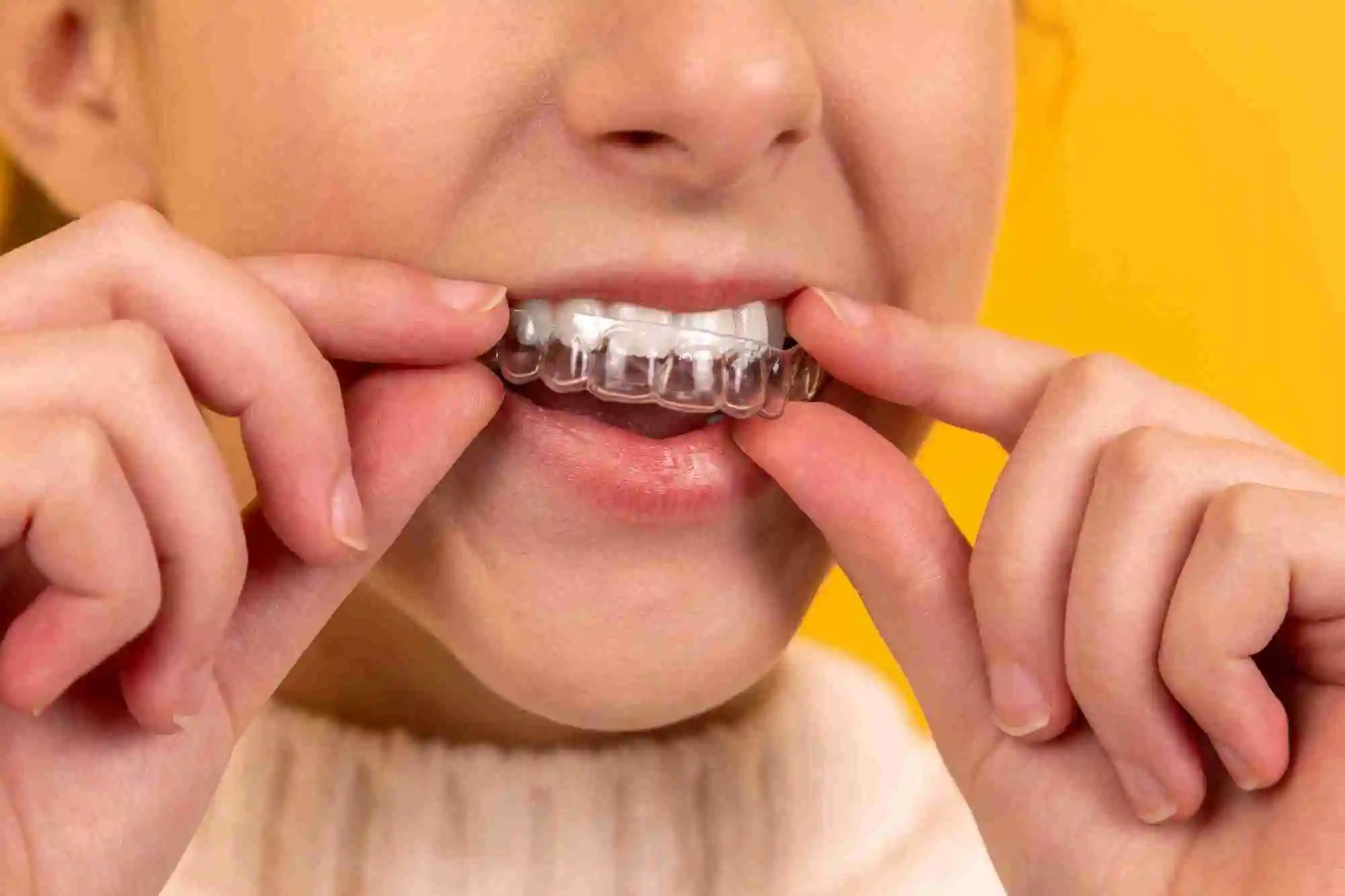
What Is Teeth Alignment?
Teeth alignment uses controlled, gentle pressure to move teeth through the supporting bone over time. Braces or clear aligners guide teeth towards planned positions, while retainers help hold the result after active treatment. Treatment commonly takes six months to two years, although complex cases may take longer.
Which Problems Can Teeth Alignment Help Correct?
- Crowded teeth: Teeth overlap or twist when there is insufficient space, making cleaning more difficult.
- Gaps or spacing: Spaces may occur because of tooth size, jaw size, missing teeth or other habits and conditions.
- Protruding front teeth: Upper front teeth sit ahead of the lower teeth and may be more exposed to injury.
- Deep bite: Upper front teeth cover too much of the lower teeth; severe cases can affect the gums or tooth surfaces.
- Underbite: Lower front teeth sit in front of the upper front teeth and may need specialist assessment.
- Crossbite: Some upper teeth sit inside the lower teeth when biting together.
- Open bite: Some front teeth do not meet when the back teeth close; several factors can contribute.
Better-aligned teeth may be easier to clean and can help improve how the teeth meet. The expected benefits depend on the type and severity of the alignment or bite problem.
Teeth Alignment Options at Care 32
Different appliances can help move teeth into better positions. The appropriate option depends on your bite, the amount of movement needed, dental health, personal preferences and budget. Some treatments may require planning with an orthodontist.
Metal Braces
Metal braces use brackets attached to the teeth and connected by a wire. They can treat a wide range of alignment and bite problems. Adjustment appointments are commonly scheduled every four to six weeks, depending on the treatment plan.
Ceramic Braces
Ceramic braces work similarly to metal braces but use tooth-coloured or clear brackets that may be less noticeable. They require careful cleaning, and some components can stain depending on the materials and eating habits.
Self-Ligating Braces
These braces use brackets with a built-in clip to hold the wire rather than conventional elastic ties. Suitability, appointment frequency and treatment progress depend on the individual case.
Clear Aligners
Clear aligners are a series of transparent, removable trays designed to move teeth in stages. Each set is worn according to the prescribed schedule. They may suit selected mild to moderate alignment problems, while more complex cases need careful assessment.
Retainers
Retainers help keep teeth in their new positions after active alignment treatment. They may be removable clear trays, wire-and-plastic appliances or a thin fixed wire bonded behind selected teeth.
Braces vs Clear Aligners: Which Is Right for You?
Both braces and clear aligners can straighten teeth, but they differ in appearance, daily care and the types of problems they can treat. A clinical examination is needed to determine the most appropriate choice.
Appearance and Removability
- Braces: Fixed to the teeth and visible during treatment; ceramic options may be less noticeable.
- Clear aligners: Transparent trays that can be removed for eating and cleaning.
- Daily routine: Braces remain in place, while aligners need to be worn for the prescribed hours every day.
Food and Cleaning
- With braces, hard and sticky foods can damage brackets or wires.
- With aligners, remove trays before eating and drinking anything other than water.
- Both treatments require careful brushing and regular dental hygiene.
Treatment Suitability and Cost
- Braces can treat a broad range of simple and complex alignment problems.
- Aligners may suit selected mild to moderate cases, depending on the movements required.
- Aligners typically need consistent daily wear to work as planned.
- Metal braces often have a lower upfront cost than clear aligners, although actual fees depend on the case and clinic.
- Review visits are scheduled according to the appliance and treatment plan.
How Is Teeth Alignment Treatment Done?
Teeth alignment follows a planned process, from the first examination to retention. The exact appointments and records depend on the type of appliance and the complexity of the case.
Consultation and Dental Examination
Your dentist discusses your concerns and checks your teeth, gums and bite. Cavities or gum problems may need treatment before orthodontic treatment begins.
Dental Records
Photographs, dental impressions or a 3D scan may be taken. X-rays, such as an OPG or cephalogram, may be recommended when clinically appropriate for diagnosis and planning.
Personalised Treatment Plan
The recommended appliance, expected treatment duration, review schedule, likely limitations and estimated costs are discussed before you decide to proceed.
Braces Fitting or Aligner Instructions
If braces are chosen, brackets and wires are fitted. If aligners are suitable, you receive your trays and instructions on wear, removal, cleaning and changing sets.
Regular Review Visits
Your dentist or orthodontist checks progress and makes adjustments where needed. Braces may require wire adjustments, while aligner treatment requires checks that the trays fit and the planned movements are progressing.
Completion and Retainers
Once the planned tooth movements are complete, braces are removed or aligner treatment ends. Retainers are then prescribed to help maintain the result.
When Should You Consider Teeth Alignment?
Teeth alignment can be considered for children, teenagers and adults. The right time depends on jaw development, the position of the teeth, bite concerns and oral health.
Children and Teenagers
An orthodontic assessment around age seven can help identify developing bite or jaw concerns. It does not mean every child needs braces at that age. Many comprehensive treatments begin during the teenage years, when more permanent teeth have erupted and the case is suitable.
Adults
Adults can also have teeth alignment treatment when their teeth and gums are healthy enough. The dentist or orthodontist will assess gum health, existing dental work, bone support and the movements required before recommending treatment.
Does Teeth Alignment Hurt?
Fitting braces or receiving aligners usually causes pressure rather than sharp pain. For a few days after braces are fitted, after an adjustment or when starting a new aligner tray, your teeth may feel tight or sore, particularly when biting. The discomfort generally settles as your mouth adapts, although experiences vary.
Ways to Manage Discomfort
- Choose soft foods while the teeth feel tender.
- Use orthodontic wax if a bracket or wire rubs against the cheek, following the instructions provided.
- Warm salt-water rinses may soothe minor irritation inside the mouth.
- Use pain relief only if appropriate for you and according to advice from a healthcare professional or the medicine label.
When to Contact the Clinic
- Contact your dentist if pain is severe, persistent or worsening.
- Arrange a review if a wire or bracket causes significant irritation.
- Let the clinic know if an aligner cracks or no longer fits correctly.
- Seek prompt dental advice if you experience swelling, injury or other unexpected symptoms.
Living With Braces or Clear Aligners
Good oral hygiene and following your treatment instructions help protect your teeth and keep orthodontic treatment on track. The daily routine differs slightly for fixed braces and removable aligners.
Food and Cleaning With Braces
- Avoid hard or sticky foods such as hard candy, ice, chikki, toffee and chewing gum.
- Cut firm foods such as apples and guavas into smaller pieces rather than biting directly into them.
- Brush carefully after meals with a soft toothbrush or orthodontic brush.
- Use an interdental brush to clean around brackets and a floss threader or suitable water flosser to clean between teeth.
- Limit frequent sugary snacks and drinks to reduce the risk of decay and white spots around brackets.
- Continue regular dental check-ups and professional cleaning as advised.
Daily Care With Clear Aligners
- Wear aligners for the prescribed number of hours, commonly twenty to twenty-two hours a day.
- Remove trays before eating and drinking anything other than water.
- Brush your teeth before putting the aligners back in whenever possible.
- Clean the trays daily according to the manufacturer's and clinician's instructions, using cool or lukewarm water.
- Store aligners in their protective case rather than wrapping them in a tissue.
- Contact the clinic if a tray cracks, is lost or no longer fits as expected.
Why Are Retainers Important After Teeth Alignment?
After teeth alignment in Punawale, teeth naturally have a tendency to shift towards their previous positions. Retainers help keep them in their new positions while the surrounding tissues adapt. Teeth can continue to change position throughout life, so following your retention plan is an important part of treatment.
Removable Retainers
- May be clear trays or wire-and-plastic appliances.
- Wear them according to the schedule prescribed by your dentist or orthodontist.
- Clean them daily using the recommended method.
- Keep them in their case when not in use and avoid heat that could distort them.
Fixed Retainers
- A thin wire may be bonded behind selected front teeth.
- Clean carefully around the wire to prevent plaque build-up.
- Attend reviews so the wire and bonding can be checked.
- Contact the clinic promptly if the wire becomes loose or breaks.
What Affects the Cost of Teeth Alignment in Punawale?
The cost of teeth alignment varies according to the appliance, complexity of the bite problem, expected treatment duration and the number of visits required. A consultation and appropriate records help determine a more accurate treatment estimate.
Factors That Affect Cost
- Type of appliance: metal braces, ceramic braces, self-ligating braces or clear aligners
- Complexity of the alignment and bite problem
- Expected length of treatment and number of review appointments
- Required records, such as X-rays, photographs, impressions or digital scans
- Retainers and retention reviews after active treatment
- Any extractions, fillings or gum treatment needed before alignment
- Whether specialist orthodontic treatment is required
Consultation at Care 32
Consultation fee: ₹200
Dr. Ranjeeta Yadav will examine your teeth and bite and discuss the next steps. After the required records and assessment, the suitable options, expected treatment duration and estimated cost can be explained before treatment starts.
Why Choose Care 32 for Teeth Alignment in Punawale?
Choosing an appropriate teeth alignment treatment starts with understanding your dental health, bite and goals. Care 32 Dental Clinic provides consultations to help patients explore suitable options and understand the treatment process.
- Dental health assessment: teeth and gums are checked before alignment, and any necessary preliminary care is discussed.
- Orthodontist input where needed: treatment planning can involve an orthodontist when the case requires specialist assessment.
- Options explained: compare braces and clear aligners according to your dental needs and lifestyle.
- Cost transparency: understand the proposed treatment, expected duration and estimated cost before starting.
- Convenient timings: open seven days a week, including evening appointments.
- Accessible location: on Jambe Road, Kate Wasti, Punawale, near Ravet, Tathawade and Kiwale.
Frequently Asked Questions About Teeth Alignment in Punawale
How do I know if I need braces?
Crowded or gapped teeth, protruding front teeth, a deep or uneven bite and difficulty cleaning between teeth can be reasons to seek an orthodontic assessment. An examination helps determine whether treatment is needed and which options may be suitable.
Which is better, braces or clear aligners?
Braces can treat a broad range of alignment problems. Clear aligners are removable and less noticeable but are suitable only for certain cases and require consistent daily wear. Your dentist or orthodontist can recommend an option after examining your teeth and bite.
How long will teeth alignment treatment take?
Treatment commonly takes around six months to two years, although some cases take longer. The duration depends on the complexity of the problem, the appliance used and how consistently treatment instructions and review appointments are followed.
Can adults get braces or clear aligners?
Yes. Adults can have teeth alignment treatment if their teeth and gums are healthy enough. A dental examination helps assess gum health, bone support and the most suitable approach.
Do I need to have teeth removed for braces?
Not always. Some cases can be treated without extractions. In selected cases, removing one or more teeth may be recommended to create space or achieve a suitable bite. The decision is made after a full assessment and treatment plan.
Do I have to wear retainers after teeth alignment?
Retainers are generally recommended after active treatment to help prevent teeth from shifting. The initial wearing schedule and long-term routine depend on your case and the instructions given by your dentist or orthodontist.
Can teeth alignment improve my bite as well as my smile?
Yes, orthodontic treatment can improve selected bite problems as well as tooth position. The likely result depends on the type and severity of the problem, and some jaw-related cases may need specialist treatment.
What is the consultation fee at Care 32 Dental Clinic?
The consultation fee is ₹200. Call +91 73507 05106 to enquire about appointment availability and the next steps for teeth alignment treatment.