
Tooth Extraction in Punawale for Damaged or Painful Teeth
Tooth extraction is the removal of a tooth from its socket in the jawbone. It may be recommended when a tooth is too damaged, infected or loose to be saved. Care 32 Dental Clinic provides tooth extraction in Punawale after checking whether a filling, crown, root canal treatment or gum treatment could preserve the tooth.
Dr. Ranjeeta Yadav (BDS) explains why removal may be needed, what the procedure involves and how to care for the area afterwards. If the tooth cannot be saved, a careful extraction can remove the source of the problem and allow healing to begin.
Open Monday to Sunday · Morning and evening appointments
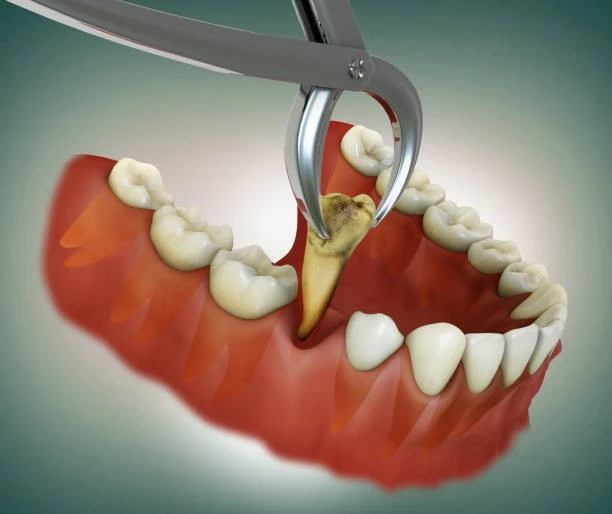
What Is Tooth Extraction?
Tooth extraction is a dental procedure in which a tooth is removed from its socket. The area is numbed with local anaesthesia, and the dentist gently loosens the tooth from the surrounding ligament and bone before removing it. A blood clot forms in the empty socket and helps protect the area while healing begins.
A simple extraction may take around 20–40 minutes, although the time depends on the tooth and the complexity of the procedure. Many people can return to their usual activities the following day, depending on how they feel and whether the extraction was surgical.
When Is Tooth Extraction Needed?
A dentist may recommend extraction when keeping a tooth is not practical or when removing it is necessary for your oral health. The decision follows an examination and, when required, dental X-rays.
- Severe tooth decay: too little healthy tooth remains to support a filling or crown.
- Unmanageable infection: the tooth cannot reasonably be treated with root canal treatment or other care.
- A deep crack: a fracture extends below the gumline and the tooth cannot be predictably restored.
- Advanced gum disease: supporting bone loss has made the tooth very loose.
- Impacted wisdom tooth: a tooth is trapped or partly erupted and causes problems.
- Orthodontic treatment: extraction is sometimes planned to create space as part of a braces treatment plan.
- Baby tooth problems: a milk tooth is badly decayed or remains in place and interferes with the permanent tooth.
Types of Tooth Extraction
The type of extraction depends on whether the tooth is fully visible, how its roots are positioned and whether part of it remains under the gum or bone.
Simple Tooth Extraction
This is generally used when the tooth is fully visible in the mouth. After numbing the area, the dentist gently loosens the tooth and removes it with dental instruments. Cuts or stitches are usually not required.
Surgical Tooth Extraction
A surgical approach may be needed when a tooth is broken near the gumline, has complex roots or is not fully visible. A small opening in the gum may be required, and the tooth may be removed in sections. Stitches may be placed when needed.
Wisdom Tooth Extraction
Impacted or partly erupted wisdom teeth may need a surgical approach. An X-ray helps assess the tooth's position and its relationship to nearby structures. Complex cases may need referral to an oral surgeon.
Baby Tooth Extraction
A baby tooth may need removal if it is badly decayed or does not fall out at the expected time. In selected cases, a space maintainer may be discussed to help preserve room for the permanent tooth.
How Is Tooth Extraction Done at Care 32?
The process begins with an examination and a clear explanation of your options. The steps may vary depending on the tooth and the complexity of the extraction.
Examination and X-ray
Your dentist examines the tooth, gums and bite, reviews your medical history and may take an X-ray to assess the roots and surrounding bone.
Options and Costs Explained
The dentist explains whether the tooth can be saved, why extraction may be advised, the expected procedure and the estimated cost before treatment begins.
Local Anaesthesia
Local anaesthesia numbs the tooth and surrounding area. You should feel pressure during removal rather than sharp pain. Tell your dentist if you feel discomfort.
Tooth Removal
The tooth is gently loosened and removed. Surgical extraction may require a small gum opening or removal of the tooth in sections, depending on its position.
Socket Care
The socket is checked and cleaned as needed. Stitches may be placed if required, and gauze is provided to help bleeding settle and a blood clot form.
Aftercare Instructions
You receive instructions on protecting the blood clot, eating, brushing, activity and any medicines prescribed for you. Follow these instructions carefully to support healing.
Does Tooth Extraction Hurt?
The area is numbed with local anaesthesia before the extraction. You may feel pressure or pushing while the tooth is loosened, but you should not feel sharp pain. If you do, tell your dentist so they can assess your comfort and provide additional anaesthesia when appropriate.
Once the numbness wears off, mild to moderate soreness is common for a few days. Discomfort should gradually improve. Follow the pain-relief advice provided by your dentist and contact the clinic if pain becomes worse rather than better.
What You May Feel Afterwards
- Mild soreness around the extraction site
- Some swelling or tenderness around the cheek or gum
- Light oozing of blood during the early healing period
- Temporary difficulty chewing on the affected side
- More recovery time after a complex or surgical extraction
What Can Help
- Bite on the gauze as directed to help control bleeding
- Use a cold pack on the cheek in short intervals
- Rest and avoid strenuous activity initially
- Choose soft foods and follow medicine instructions
- Contact the dentist if pain, swelling or bleeding concerns you
Tooth Extraction Aftercare
Aftercare helps protect the blood clot inside the socket. Disturbing this clot can delay healing and increase the risk of a painful condition called dry socket.
During the First 24 Hours
- Bite firmly on gauze for the time advised by your dentist.
- Do not rinse forcefully, spit repeatedly or use a straw.
- Avoid smoking and alcohol.
- Apply a cold pack to the cheek in short intervals if advised.
- Eat soft, cool or lukewarm food after the numbness wears off.
- Rest and keep your head slightly raised when lying down.
During Days 2–7
- Rinse gently with warm salt water after the first 24 hours if advised.
- Brush your other teeth normally and clean near the socket carefully.
- Chew on the opposite side while the area is tender.
- Take prescribed medicines according to instructions.
- Avoid heavy exercise for the period advised by your dentist.
- Attend a review if one has been recommended.
The gum may close over the socket in about 7–10 days, while deeper healing continues for several weeks or months. The exact timeline depends on the tooth, the complexity of removal and your general health. Smoking and poorly controlled diabetes can delay healing.
What Is a Dry Socket and When Should You Call the Dentist?
A dry socket can occur when the blood clot in the extraction socket dissolves or comes out too early, leaving the underlying area exposed. It can cause significant pain and may be more likely after removal of lower back teeth or wisdom teeth. Smoking also increases the risk.
Signs may include pain that becomes worse two to four days after extraction, pain spreading towards the ear, an empty-looking socket or an unpleasant taste or smell. A dentist can assess the socket, clean it when needed and place a dressing to relieve symptoms.
Why Replace a Missing Tooth After Extraction?
Depending on which tooth is removed, leaving a gap may allow neighbouring teeth to tilt, affect chewing and contribute to changes in the bone beneath the missing tooth. Your dentist can explain whether replacement is recommended for your situation.
Dental Implant
An implant is placed in the jawbone to support a replacement crown. It can replace the missing tooth without using the neighbouring teeth for support. Suitability depends on bone health, general health and other factors.
Dental Bridge
A bridge replaces a missing tooth using support from teeth beside the gap. The condition of those teeth and the bite help determine whether this option is appropriate.
Partial Denture
A removable partial denture can replace one or more missing teeth. It may be considered based on the number and position of missing teeth, comfort and your preferences.
Does Every Extracted Tooth Need Replacement?
Not always. Wisdom teeth and some other back teeth may not need replacement. The recommendation depends on the tooth removed, chewing needs, bite and overall dental condition.
What Affects the Cost of Tooth Extraction in Punawale?
The cost of tooth extraction depends on the tooth being removed, the complexity of the procedure and any additional care required. An examination helps determine the likely treatment and cost.
Factors That Affect the Cost
- Whether the extraction is simple or surgical
- The tooth's location and root structure
- Whether a wisdom tooth is impacted
- Any X-rays or additional assessment needed
- Whether stitches or prescribed medicines are required
- Any future tooth replacement you choose
Consultation at Care 32
Consultation fee: ₹200
Dr. Ranjeeta Yadav examines the tooth, reviews any required X-rays and explains whether it can be saved or needs removal. The recommended procedure and estimated cost are discussed before treatment begins.
Why Choose Care 32 for Tooth Extraction in Punawale?
Care 32 Dental Clinic aims to help patients understand their dental condition, available options and the care needed before and after a tooth extraction.
- Saving the tooth first: tooth-preserving options are considered before extraction is recommended.
- Clear explanations: understand the reason for removal, the procedure and the estimated cost.
- Comfort-focused care: local anaesthesia is used, and you can tell the dentist if you feel discomfort.
- Aftercare guidance: receive instructions to protect the socket and support healing.
- Qualified dentist: Dr. Ranjeeta Yadav (BDS), King George's Medical University, Lucknow.
- Convenient clinic hours: open seven days a week, including evenings and Sundays.
Frequently Asked Questions About Tooth Extraction in Punawale
How long does a tooth extraction take?
A simple extraction often takes around 20–40 minutes, although timing varies. Surgical extractions and impacted wisdom teeth may take longer depending on their position and complexity.
Is tooth extraction painful?
Local anaesthesia numbs the area, so you should feel pressure rather than sharp pain during removal. Soreness for a few days afterwards is common. Contact your dentist if pain becomes worse instead of gradually improving.
Can an infected tooth be removed?
An infected tooth may be removed when extraction is the appropriate treatment. The dentist will assess the infection and your overall condition to decide the safest approach. Antibiotics are not needed for every dental infection and are prescribed when indicated.
When can I eat and return to work after extraction?
Choose soft food once the numbness has worn off enough for you to eat safely. Many people return to work the next day after a simple extraction, while a surgical extraction may require more recovery time. Follow your dentist's advice.
When can I smoke after tooth extraction?
Avoid smoking for at least 72 hours and ideally longer. Smoking can interfere with healing and increases the risk of dry socket. Ask your dentist for advice if you need help avoiding tobacco during recovery.
Is tooth extraction safe if I take blood thinners?
Extraction may be possible with appropriate planning. Tell your dentist which medicines you take and follow the advice of your treating clinician. Do not stop blood thinners or other prescribed medicines on your own.
How long does the extraction site take to heal?
The gum starts healing over the first several days and may close over the socket in roughly 7–10 days. Deeper tissue and bone healing takes longer. The timeline varies with the tooth removed, the procedure and your general health.
Do I need to replace the tooth after extraction?
It depends on which tooth is removed and how the gap affects chewing and your bite. Options may include an implant, bridge or partial denture. Some teeth, including many wisdom teeth, may not need replacement.