
Teeth Cleaning, Scaling and Whitening in Punawale
Brushing twice a day helps maintain oral hygiene, but it cannot remove hardened tartar that builds up around the teeth and gumline. Toothpaste also cannot change the natural colour of your enamel. At Care 32 Dental Clinic, Dr. Ranjeeta Yadav (BDS) examines your teeth and gums to help you decide whether professional cleaning, whitening or both may be suitable.
Most people benefit from cleaning first. If your teeth still look yellow or dull after surface stains and tartar are removed, professional whitening may be considered after an examination.
What Is Teeth Cleaning and Scaling?
Plaque is a sticky film of bacteria that forms on teeth every day. If it is not removed properly, it can harden into tartar, also called calculus. Once tartar forms, brushing and flossing alone cannot remove it completely. A dentist or dental professional needs to remove these deposits.
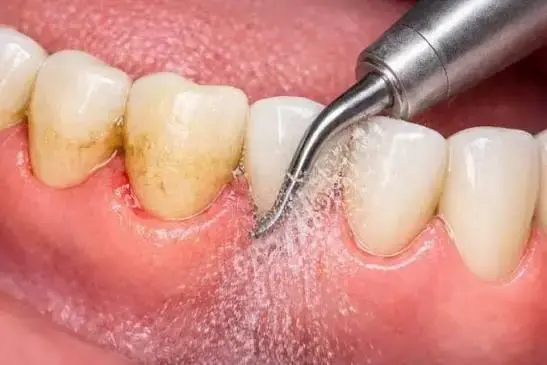
During professional scaling, an ultrasonic scaler and, when needed, hand instruments are used to remove tartar from tooth surfaces and around the gumline. The teeth are then polished to help remove remaining surface stains and leave the surfaces feeling smoother.
Signs You May Need Teeth Cleaning or Scaling
Tartar can collect even when you brush regularly, particularly in areas that are difficult to reach. Consider a dental check-up if you notice:
- Gums that bleed while brushing or flossing
- Yellow or brown deposits near the gumline
- Bad breath that continues despite regular brushing
- Swollen, tender or receding gums
- Tea, coffee or tobacco stains on your teeth
- No professional cleaning in the last six months, or as advised by your dentist
What Happens During Professional Teeth Cleaning?
The process is usually straightforward. Your dentist will explain each step and let you know if additional gum treatment may be required.
Examination of Teeth and Gums
The dentist checks for tartar, plaque, gum inflammation and areas that may need extra attention.
Scaling to Remove Tartar
An ultrasonic scaler and, where appropriate, hand instruments are used to remove deposits from the teeth and gumline.
Polishing
The tooth surfaces may be polished to remove remaining surface stains and leave them feeling smoother.
Oral Hygiene Advice
You receive guidance on brushing, flossing and caring for areas where plaque tends to collect.
What Is Professional Teeth Whitening?
Professional teeth whitening uses a dentist-selected peroxide gel to help lighten the natural colour of teeth. The gel acts on stain molecules within the outer tooth structure. The suitability of whitening depends on your oral health, the type of staining and the condition of your enamel.
Cleaning and whitening serve different purposes. Cleaning removes plaque, tartar and many surface stains. Whitening aims to lighten the natural shade of your teeth. Fillings, crowns and veneers do not whiten in the same way as natural tooth enamel.
Cleaning Helps With
- Hardened tartar and plaque deposits
- Surface stains caused by food and drinks
- Oral hygiene and plaque-related gum concerns
Whitening May Help With
- Some tea and coffee stains
- Yellowing related to ageing
- Lightening the shade of natural teeth when suitable
What Causes Yellow or Stained Teeth?
Tooth colour varies naturally. Staining may develop on the surface, within the tooth or from changes that occur over time. Identifying the cause helps your dentist recommend an appropriate option.
Surface Stains
These develop on the outside of teeth and may improve with cleaning and polishing.
- Tea, coffee and cola
- Tobacco and gutkha
- Foods containing strong pigments, such as turmeric
- Tartar deposits near the gumline
Deeper Discolouration
These changes may be more difficult to treat with whitening alone.
- Natural ageing and changes in tooth structure
- Fluorosis or certain childhood medications
- Discolouration after an injury or root canal treatment
- Deep grey or brown staining
Types of Professional Teeth Whitening
After examining your teeth and gums, the dentist can explain which whitening approach may suit your needs and expectations.
In-Clinic Whitening
A dentist applies a suitable whitening gel while protecting the gums. The process may involve timed application cycles during a visit, often lasting around 60–90 minutes. Results vary by individual.
Custom Take-Home Trays
Custom-fitted trays and dentist-recommended gel may be used at home according to instructions. Treatment commonly takes one to two weeks, depending on the product and plan.
Combined Whitening Approach
For selected patients, in-clinic treatment and a supervised take-home plan may be combined to help achieve or maintain the desired shade.
Whitening a Single Tooth
A tooth that has darkened after root canal treatment may sometimes be treated with internal whitening after the dentist evaluates it.
Who Should Wait Before Teeth Whitening?
Whitening is not suitable for everyone at every stage. A dental examination helps identify conditions that should be addressed first and whether another cosmetic option may be more appropriate.
Whitening May Need to Be Postponed If You Have
- Untreated cavities or active gum disease
- Significant tooth sensitivity or exposed roots
- Worn or damaged enamel
- Pregnancy or breastfeeding, when elective whitening is generally postponed as a precaution
- An age under 18, when whitening is generally not recommended without an appropriate clinical indication
Other Options May Be Discussed If
- Visible front teeth have crowns, fillings or veneers
- Discolouration is deep grey or unlikely to respond well
- The tooth has structural damage or a specific underlying problem
- You want to change the shape or appearance as well as the colour of a tooth
Teeth Cleaning vs Teeth Whitening
Although both treatments can improve the appearance of your smile, they have different purposes.
Teeth Cleaning and Scaling
- Removes plaque and hardened tartar
- Helps remove many surface stains
- Supports gum health and oral hygiene
- Often takes around 30–45 minutes for routine cleaning
- May be recommended every six months, or at a different interval based on gum health
Professional Teeth Whitening
- Helps lighten the natural shade of teeth
- May improve some stains within the tooth structure
- Is a cosmetic treatment rather than a tartar-removal procedure
- In-clinic appointments often take around 60–90 minutes
- Touch-ups may be considered months or years later, depending on staining and personal habits
Is Teeth Cleaning and Whitening Safe?
Professional cleaning and dentist-supervised whitening are commonly performed treatments when the teeth and gums have been assessed and the procedure is appropriate. Your dentist will consider your dental health and any existing sensitivity before proceeding.
After Scaling
- Temporary sensitivity may occur, particularly where gums have receded
- Teeth may feel different after accumulated tartar is removed
- Scaling removes deposits; it does not intentionally thin or loosen healthy teeth
- Existing gum disease or bone loss may affect tooth stability independently of cleaning
After Whitening
- Temporary sensitivity may last one to three days
- Mild gum irritation may occur and usually settles quickly
- The dentist can adjust the whitening plan or recommend a desensitising product if needed
- Results and sensitivity vary from person to person
How to Care for Your Teeth After Cleaning and Whitening
Simple daily habits help maintain oral health and may reduce the build-up of new stains.
After Professional Cleaning
- Resume gentle brushing and flossing as advised
- Avoid very hot or cold foods and drinks for a few hours if your teeth feel sensitive
- Follow any specific gum-care instructions provided by your dentist
- Arrange follow-up cleaning according to your oral health needs
After Teeth Whitening
- For the first 48 hours, limit strongly coloured foods and drinks where possible
- Choose foods such as rice, roti, paneer, curd, milk, eggs and bananas if you want lower-staining options
- Drink water regularly and follow the dentist's aftercare advice
- Avoid tobacco and gutkha, which can stain teeth and harm oral health
Why Choose Care 32 for Teeth Cleaning and Whitening?
- Teeth and gums checked before treatment recommendations
- Clear advice on whether cleaning alone may be enough
- Whitening suitability and realistic shade expectations discussed
- Gum protection and appropriate treatment instructions for whitening
- Morning and evening clinic timings, including Sundays
- Convenient location on Jambe Road, Kate Wasti, Punawale
Dental Cleaning in Punawale and Nearby Areas
Care 32 Dental Clinic welcomes patients looking for professional teeth cleaning, scaling and whitening advice in Punawale and nearby areas. Dr. Ranjeeta Yadav (BDS) can examine your teeth and gums and discuss suitable next steps based on your needs.
The clinic is conveniently located on Jambe Road in Kate Wasti, Punawale, with access for patients from nearby Ravet, Tathawade and Kiwale.
Clinic timings:
Monday to Sunday
10:00 AM–2:00 PM
5:00 PM–9:00 PM
Frequently Asked Questions About Teeth Cleaning and Whitening
Does scaling make teeth loose or weak?
No. Scaling removes plaque and tartar; it does not intentionally loosen or weaken healthy teeth. If tartar has built up around the teeth, removing it can reveal spaces or movement that were already affected by gum disease or bone loss.
How long does professional teeth cleaning take?
Routine cleaning often takes around 30–45 minutes. The time may be longer if there is substantial tartar build-up or gum disease that requires additional treatment.
Should I get my teeth cleaned before whitening?
Usually, yes. Cleaning removes tartar and surface stains, allowing the dentist to assess the natural tooth shade more clearly and determine whether whitening may help.
Can yellow teeth become white with whitening?
Some yellowing related to ageing and certain food or drink stains may respond well. Deep grey or brown discolouration can be less predictable. Your dentist can explain the likely outcome, but an exact shade cannot be guaranteed.
Is professional teeth whitening painful?
Whitening generally does not require injections or drilling. Some people experience temporary sensitivity for one to three days or mild gum irritation. Tell your dentist about any existing sensitivity before treatment.
Can I drink tea or coffee after teeth whitening?
It is best to avoid tea, coffee and other strongly coloured foods or drinks for at least 48 hours after whitening, following your dentist's instructions. After that, rinsing with water after drinks may help reduce surface staining.
How often should I get teeth scaling?
Many people have professional cleaning around every six months, but the ideal interval depends on plaque build-up, gum health and individual risk factors. Your dentist can recommend a suitable schedule.
Will whitening change the colour of crowns or fillings?
No. Whitening products lighten natural teeth but do not change the shade of existing crowns, veneers or fillings. Discuss this with your dentist before treatment if these restorations are visible when you smile.